Delivery Experience That Holds Up in Production
We treat ReactJS delivery as a long-running responsibility. Our developers stay involved once applications reach users, handling production defects, behavioural regressions, and feature changes driven by live usage.
We support ReactJS systems that have evolved over the years. Our engineers use AI tools to speed up code review, trace rendering issues, identify risky refactors, and reduce repetitive maintenance work. When incidents occur, the same developers investigate client behaviour, backend responses, and deployment history. Long-term exposure to the industry helped us learn how we write ReactJS code, structure components, and coordinate frontend and backend decisions with production stability in mind.

Hire ReactJS Developers Without Any Hassle
 Share Your Needs
You describe the product reality as it stands today. We discuss existing ReactJS code, dependencies, deployment habits, and pressure points. This context drives developer selection immediately. We do not translate needs into abstract roles. We match based on similar delivery conditions already handled in production.
 Shortlist the Best Talent
 Shortlisting focuses on developers who have worked on ReactJS systems. We prioritise experience with live traffic, refactoring under constraints, and collaboration across frontend and backend development. Selection reflects delivery exposure rather than years claimed on paper.
 Interview the Developer
You speak directly with the ReactJS developer who will join your team. Conversations focus on decisions made under pressure, tradeoffs accepted, and mistakes corrected. We avoid framework trivia. The discussion stays grounded in real delivery behaviour.
 Kickstart the Project
Work begins with repository access, environment setup, and understanding release paths. Early tasks validate code familiarity and communication flow. Developers integrate into your existing cadence before taking on broader ReactJS ownership.
ReactJS Development Capabilities We Take Ownership Of
ReactJS Frontend Architecture
We take responsibility for how ReactJS applications grow over time. Hire ReactJS Developers who actively manage component boundaries, shared state, and dependency direction. When patterns start causing friction, we refactor early. Architecture choices reflect expected change, team size, and long-term maintainability under real delivery pressure.
API Development and Integrations
ReactJS developers work directly against live APIs. We manage request behaviour, error handling, and response consistency closely. When integrations drift, we adjust frontend behaviour deliberately, avoiding hidden failures that surface only after deployment.
Backend Coordination
Frontend and backend development remain tightly connected. Our ReactJS developers track backend changes, review API updates, and align deployment timing. This coordination prevents UI regressions caused by mismatched assumptions and keeps behaviour predictable for users.
Database Design Awareness
Our ReactJS developers understand how database design affects client behaviour. Payload size, query patterns, and caching decisions influence rendering and interaction speed. We flag problematic data structures early and work with backend teams to reduce unnecessary frontend complexity.
Performance Handling
Performance work starts with real measurements. We analyse rendering cost, network behaviour, and client-side processing under actual usage. Fixes target-specific bottlenecks rather than general tuning. Developers revisit earlier decisions when user behaviour shifts.
Application Maintenance
Maintenance stays continuous even after the launch. ReactJS developers manage dependency updates, framework changes, and incremental refactors alongside feature work. This prevents large destabilising rewrites and keeps applications safe to modify as requirements evolve.
Engagement Models Teams Actually Use

Full-Time Monthly Hire
UK teams choose full-time ReactJS developers when products require steady delivery and shared ownership. Developers join daily workflows, handle releases, and remain accountable for ongoing changes. This model suits applications with active users and frequent updates.
- 9 hrs/day
- 180 Hours
- Direct Communication
Part-Time Monthly Hire
Part-time engagement supports teams needing ReactJS depth without daily demand. This works well for stabilisation, feature extensions, or reducing accumulated issues while internal teams focus elsewhere.
- 4 hrs/day
- 80 Hours
- Daily Reporting
Hourly Hire
Hourly support fits targeted ReactJS needs such as incident recovery, audits, or performance fixes. Teams use this model for focused outcomes without long onboarding or extended commitment.
- 50/100 Hours
- SCRUM
- Version Control
Hire React.js Developers
Our programmers are more proficient with native programming Languages like Java & Kotlin or hybrid programming languages like reactjs, Ionic & flutter.

Experienced Skilled Resources

Communication via Skype/Email/Phone

Flexible Pricing & Working Models

Daily/Weekly Reporting

Updates & Tracking via PMS
Cost Effective & On time Delivery

Code & Backup Management

No Expenses on Training & Retaining

Dedicated Lead as single point of contact

Secured & Fail-safe Environment
Why Hire ReactJS Developers from Mtoag Technologies?
16+ Years of Delivery Experience
Our experience comes from sustained delivery across changing stacks and business models. ReactJS work benefits from lessons learned earlier around ownership, maintenance debt, and release failures. This history shapes cautious decisions and realistic timelines grounded in production experience, not assumptions.
Real-Time Problem Solving
Our ReactJS developers diagnose issues using logs, monitoring, and user reports. Fixes balance speed and safety. We prioritise restoring service first, then addressing root causes, keeping teams informed while avoiding rushed changes that introduce new failures.
Practical Engineering Judgment
We favour decisions that teams can live with long-term. ReactJS choices consider who will maintain the code later. Developers avoid clever patterns that confuse future contributors, even when technically appealing, because clarity reduces risk during urgent production changes.
Delivery Consistency
Consistency matters more than speed for us. Our ReactJS teams plan to work to finish reliably. We ship smaller changes, review thoroughly, and release often. This approach reduces rollback events and keeps stakeholders confident about what reaches production.
Risk-Aware Implementation
Every change carries risk. We assess impact before merging ReactJS updates, especially around shared components and data handling. Developers isolate risky work, use feature flags where needed, and keep rollback paths clear during deployments.
Local Expertise
Working with UK businesses means aligning with local working hours, communication styles, and delivery expectations. Our teams stay reachable during critical windows, support live releases, and respond quickly when production issues surface during business operations.







FAQs
How Quickly Can a ReactJS Developer Join My Team?
+Hire ReactJS Developers from us, and we will start within the first week. We start with environment access, codebase walkthroughs, and initial tasks that confirm understanding and collaboration before taking on broader feature ownership.
Will Developers Handle Production Incidents Directly?
+The same ReactJS developers investigate issues, debug broken behaviour, coordinate with backend services, and ship fixes. There are no handoffs that slow resolution or lose context.
Can ReactJS Developers Collaborate with Existing Backend Teams?
+Developers work side by side with backend engineers to align APIs, monitor data flows, and ensure releases do not break user-facing behaviour.
How are Updates and Maintenance Managed in ReactJS Projects?
+Updates, refactors, and dependency upgrades happen incrementally alongside feature work. We avoid large, disruptive rewrites by keeping the codebase maintainable and predictable over time.
What Level of ReactJS Experience Do Developers Bring?
+Most developers have an average of 6-7 years of hands-on experience in production applications, including long-term ownership, live incident resolution, and real-world feature delivery.
Work That Made Us a Top Web & Mobile App Development Company
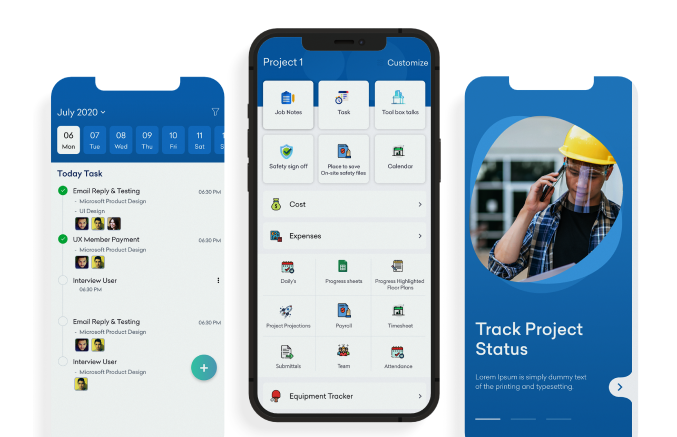
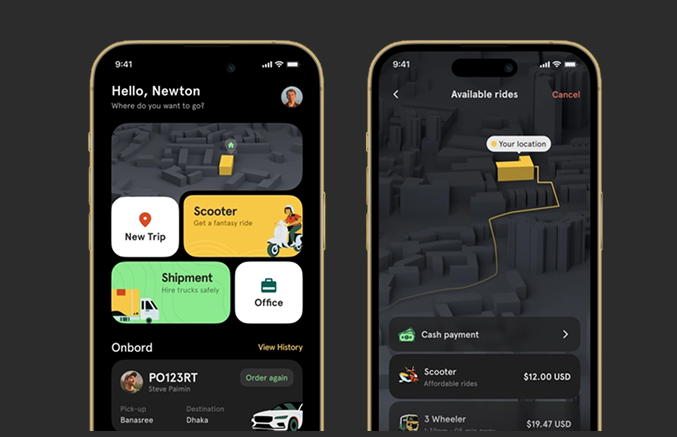
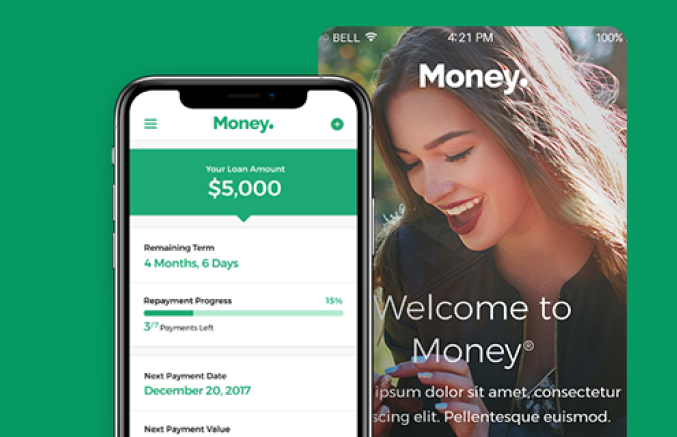
These case studies reflect our expertise, from architecture to live deployment. Each example highlights real decisions, technical execution, and outcomes observed in production environments.